CART 411
CARRYING CAPACITY 1O
Project by Laura Hirsh, Louisane Fozin and Van Le

As the number of cities increase along with human density, overpopulation has had its fair share of impact on the environment. Despite efforts to reduce consumption and change daily practices at an individual level, there are no ways around the fact that the growth of the human species is directly linked to global warming and consequently to climate change. Human activity contributes substantially to habitat loss through actions such as logging forests, oil and gas exploration and development, road construction, mining, pipelines, and urban sprawl.
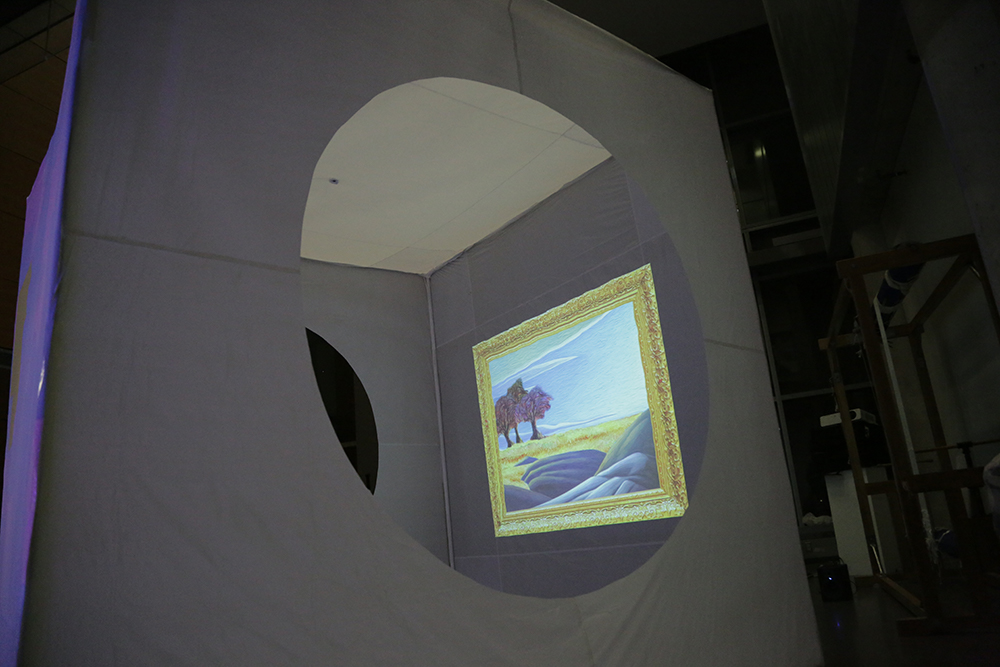
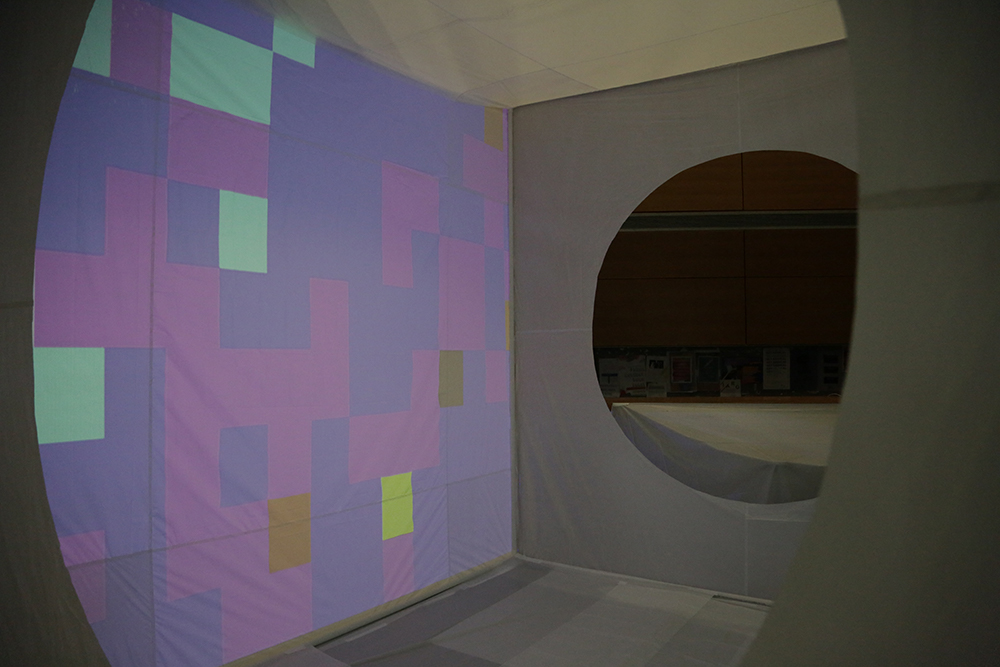
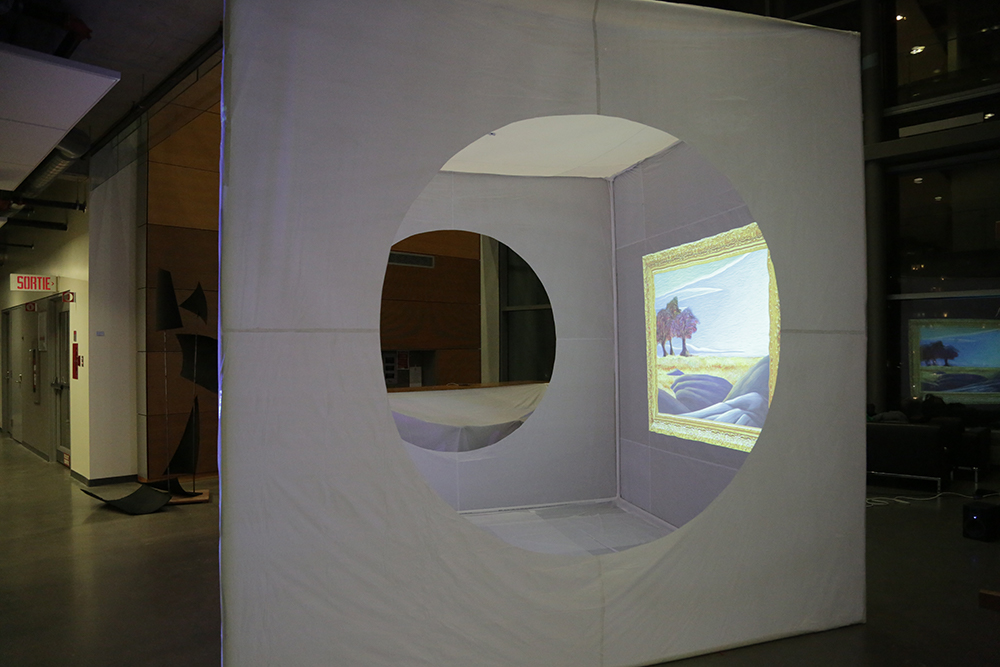
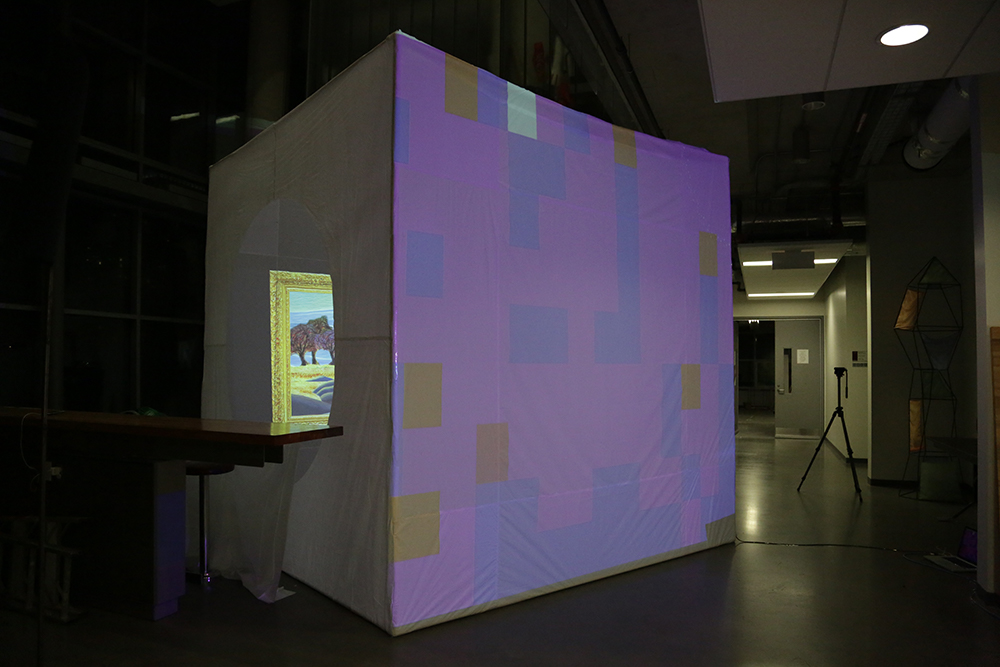
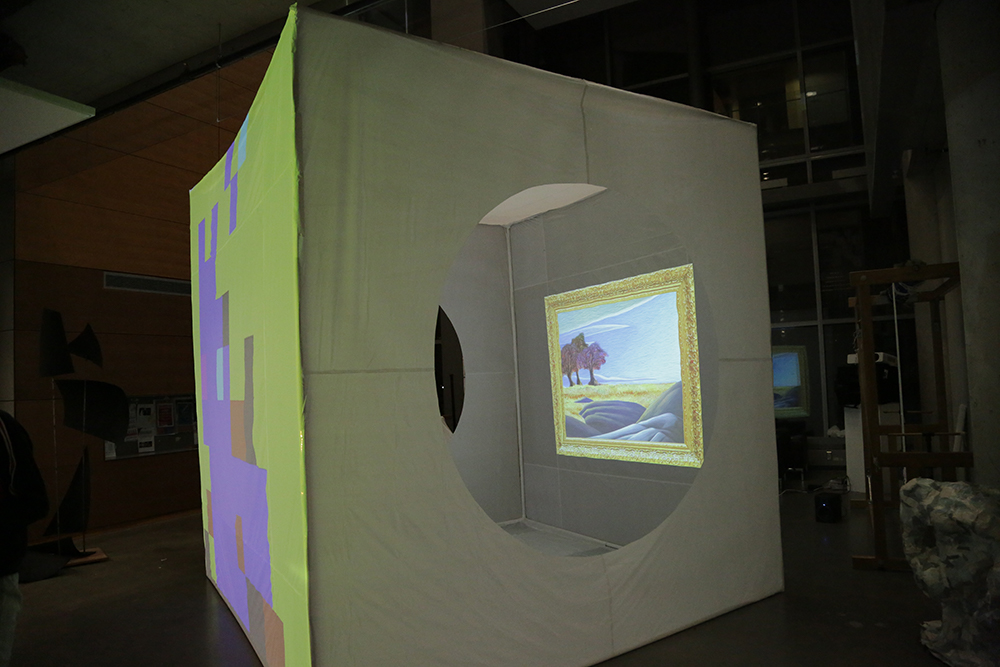
Species extinction is another effect this project draws upon as various organisms are weakened by our lifestyle and our population expansion. For citizens living in an urban environment, deprived from contact with fauna and flora, it is at times difficult to imagine the repercussions of their doings. Through storytelling and use of realtime data, we attempt to bring those effects to light and make such subjects accessible to a non-scholarly audience. We aim to generate dialogue between the history of art and that of humans to stimulate further understanding of the complex interconnectedness of human existence and the environment.
PROJECT VIDEO DOCUMENTATION
PROJECT PLANS